Hippocrates (c. 460–370 BCE)
The father of medicine who stressed posture in health. His observational approach to body alignment informs modern ergonomic thinking about how beds shape breathing, circulation, and musculoskeletal comfort.
An investigative, editorially styled exploration of how adjustable bases interact with different mattresses and sleep postures. Drawing on sleep science, ergonomic principles, and the lived experiences of sleepers across eras, this article navigates the practicalities of selecting mattresses that flex with a base, while maintaining spinal alignment and long‑term durability. The guide also weaves in notable historical figures who illuminate the evolution of sleep, health, and technology—from classical anatomists who charted posture, to modern engineers who mapped the mechanics of rest.
This resource is anchored in the educational direction for adjustable beds: it equips readers with a non-commercial framework for mattress selection, base compatibility, and ergonomic tuning. It emphasizes evidence-backed guidance, durability considerations, and a reader‑friendly approach to understanding how different sleep positions respond to adjustable bases.
Across eras, the conversation about sleep has evolved from simple comfort to complex biomechanical optimization. This article pays homage to thinkers who shaped our understanding of posture, health, and environment, while translating those insights into practical, modern recommendations for pairing an adjustable bed with the right mattress.
The father of medicine who stressed posture in health. His observational approach to body alignment informs modern ergonomic thinking about how beds shape breathing, circulation, and musculoskeletal comfort.
Early investigations into how human bodies interact with furniture and environments laid groundwork for understanding the interplay between sleep surfaces, support, and ambient conditions.
Contemporary researchers map mattress materials, density, breathability, and heat transfer, translating findings into practical guidelines for compatibility with adjustable bases and varied sleep postures.
Adjustable bases bend and articulate, so mattress flexibility matters. latex, memory foam, and hybrid mattresses each respond differently to bending and pressure. The goal is even distribution of support across the foot and head sections when the base is flexed.
Weight distribution across the base impacts warranty eligibility and long‑term durability. Verify the mattress weight and occupant loads match the base’s specifications to avoid undue wear on hinge lines and motors.
A durable setup pairs a mattress with a base that accommodates the heaviest user while maintaining consistent alignment and noise reduction over time.
The following practical guidelines synthesize current knowledge about compatible mattresses and ergonomics for adjustable beds.
A mattress that maintains edge support while flexing minimizes roll-off risks at the sides and improves overall stability when the head and foot sections are elevated. Look for mattresses with reinforced edges and a design that preserves contour without sagging at angle changes.
Edge-to-edge firmness helps keep alignment consistent across different elevations and reduces the need for constant repositioning.
Breathable cover fabrics and open-cell foams facilitate air flow when the base changes position. Temperature neutrality supports longer, uninterrupted sleep as the body encounters varied angles throughout the night.
Consider natural or engineered breathables in memory foams or latex foams to maintain comfort during motion.
The ergonomic aim is to preserve spinal alignment across positions. Side sleepers should have enough shoulder and hip cushioning to prevent misalignment when the bed adjusts, while back sleepers benefit from even distribution of pressure along the lumbar region as the head and feet raise or lower.
Seek a mattress that maintains consistent support along the thoracic and lumbar spine during elevation. A pillow that aligns the neck with the spine complements a side-sleeping arrangement on an adjustable base.
Prioritize even distribution across the lumbar region as the base proportions shift with head-up or foot-up angles. A medium firm to firm feel in the central zone supports the natural curvature of the spine.
If possible, arrange a trial period with a mattress known to be compatible with adjustable bases. Observe alignment across a variety of angles to ensure no pressure points emerge during position changes.
Understand how warranty coverage applies when the mattress is paired with an adjustable base. Some warranties may involve limitations if the base is used in configurations beyond standard flat sleeping modes.
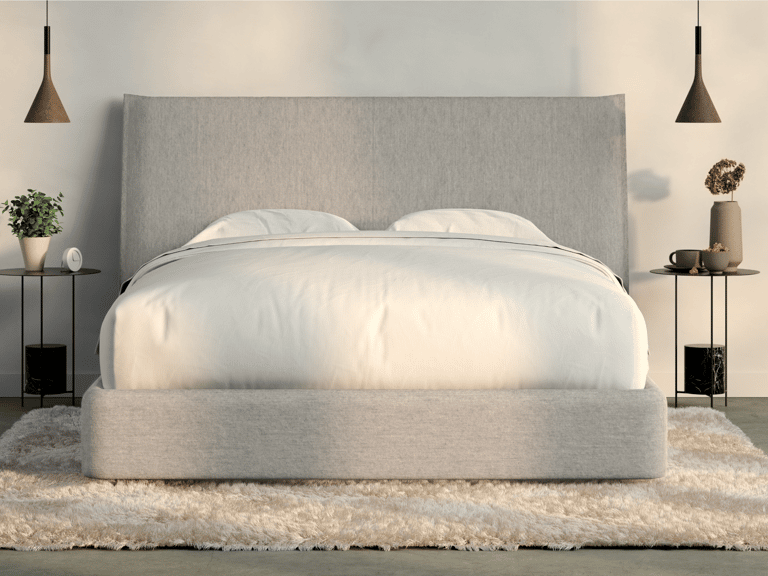
To illustrate the practical pairing of an adjustable base with a compatible mattress, consider a representative setup that reflects the educational ethos of this resource. The Haven Bed Frame demonstrates how a well-constructed bed frame can serve as the sturdy backdrop for an ergonomic sleep system, balancing form and function with durable wool upholstery and a philosophy of long-lasting, high-quality materials. While the Haven Bed Frame is a showcase product for frame stability and aesthetic, the underlying principle remains: alignment, support, and comfort emerge from thoughtful integration of base, mattress, and frame.
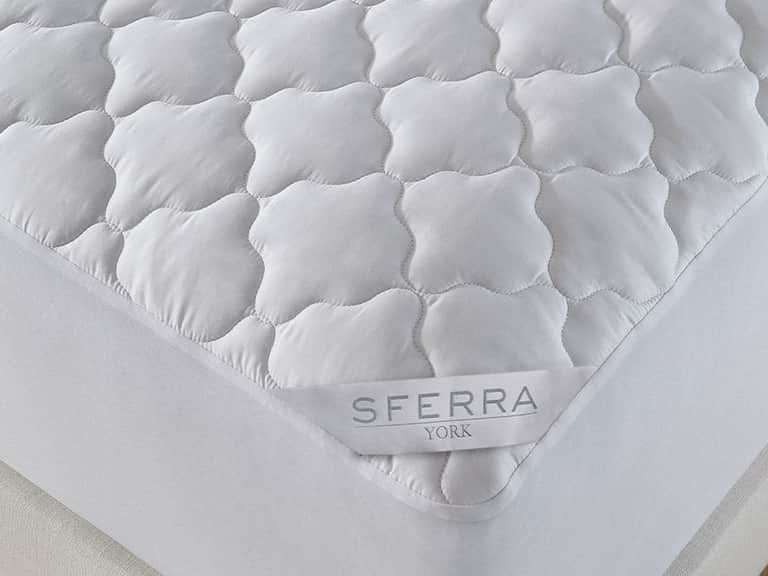
Luxurious down-alternative padding with a 300TC cotton sateen cover provides loft and a balanced feel beneath an adjustable base. While not a mattress itself, it demonstrates how surface adjustments can influence ergonomics and comfort without altering the core support system.
Product example: York Mattress Pad, 3241, $295.00
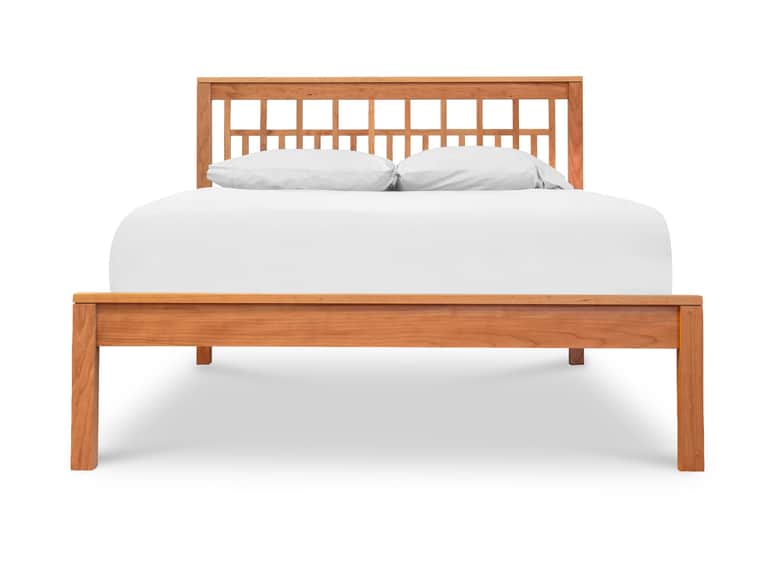
A grounding example of a stable frame essential for maximal ergonomics when used with adjustable bases. Its felted wool upholstery and sturdy construction reflect the enduring quality required for a bed that supports multiple positions throughout the night.
Product example: Haven Bed Frame, Cas p er, $1895.00
An adjustable bed invites a versatile approach to sleep ergonomics. The right mattress choice—not just any mattress, but one that harmonizes with the range of angles and micro-adjustments the base offers—transforms a bed from a simple surface into a dynamic sleep ecosystem. The considerations outlined here emphasize compatibility, durability, and body alignment across sleep positions, while maintaining a reader-centered, non-commercial perspective.
In the spirit of curiosity that has guided human understanding of the body—from the ancients who observed posture to modern scientists who map biomechanics—this guide aims to empower readers to make informed choices. By focusing on mattress flexibility, weight tolerance, ventilation, and ergonomic alignment, readers can cultivate a sleep environment that supports health, comfort, and restorative rest.
Note: This article is intended as an educational resource. It does not promote a sales-centric approach and emphasizes informed decision-making, product durability, and ergonomic comfort.