Foam mattresses are designed to conform to the body's contours, providing targeted support and pressure relief across key pressure points. This category highlights varieties ranging from memory foam to high-density polyfoam, emphasizing how material properties influence contouring, spinal alignment, and motion isolation for couples. Understanding foam density, thickness, and cell structure aids in selecting a model that suits sleep posture and comfort preferences.
Key features to assess include foam type, density, resilience, and potential cooling technologies. Memory foam offers great pressure relief, while transitions with high-density support layers improve durability and support. Open-cell foams promote breathability, and phase-change materials can help regulate temperature. Reading technical specifications helps identify the best balance of comfort and support.
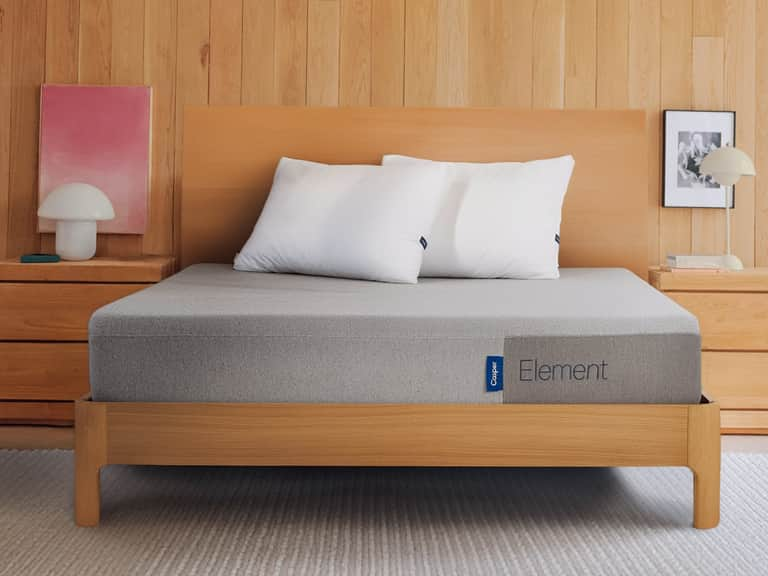
The Element Mattress exemplifies how foam-based designs address diverse sleep needs. Its layered construction combines contouring memory foam with supportive high-density foam to stabilize the spine while alleviating pressure. Features such as efficient heat dispersion and motion isolation make it suitable for varying sleep styles, including side, back, and combination sleepers.
In considering foam mattresses, consider foundation compatibility, edge support, and accessibility of firmness options. Many models balance plush surface feel with robust core support, enabling steady spinal alignment and reduced partner disturbance. Optional features like antimicrobial foams and low-VOC materials contribute to healthier sleep environments without compromising performance.
For users comparing bedding components like sheets, pillows, and organic mattresses, foam-based options offer a complementary approach to overall sleep ergonomics. The category emphasizes how foam density, layering, and cover materials influence comfort, durability, and temperature management, aligning with broader sleep health goals and ergonomic criteria.
 Mattresses